What is the difference between memory care and assisted living?
Memory care is designed for people living with Alzheimer’s disease or another form of dementia who need structured support, closer supervision, and an environment adapted to changes in memory, judgment, communication, or orientation.
Assisted living is a broader residential care option for adults who need help with daily activities but can often make decisions, move through a familiar setting, and participate in routines with less dementia-specific supervision.
The two services may exist in separate residences, or memory care may be offered as a specialized neighborhood or secured unit within an assisted living setting. The name alone does not tell the full story. Staffing, security measures, services, and admission policies can differ significantly from one residence to another.
What services does assisted living usually provide?
Assisted living generally supports residents who are no longer fully independent but do not need continuous skilled nursing care. Help may include:
- Bathing, dressing, grooming, and toileting
- Medication reminders or medication administration
- Meals and assistance with eating
- Walking, transfers, or positioning
- Housekeeping and laundry
- Transportation arrangements
- Social activities and wellness programs
- Monitoring for changes in health or daily functioning
Assisted living is often appropriate for someone who knows where they are, can express basic needs, and benefits from help with physical tasks. A resident may have mild memory loss, but dementia-related behaviors or safety concerns may eventually require a more specialized setting.
In Pennsylvania, assisted living residences and personal care homes are licensed residential settings rather than nursing facilities. They are intended for people who need assistance or supervision but do not require the level of continuous medical care provided in a nursing home.
How is memory care different?
Memory care focuses on the safety, routines, and cognitive needs associated with dementia. Staff members are expected to understand common dementia-related changes, including repetition, wandering, confusion, sleep disruption, resistance to care, and difficulty managing medications or meals.
A memory care setting may include:
- Secured doors or controlled exits
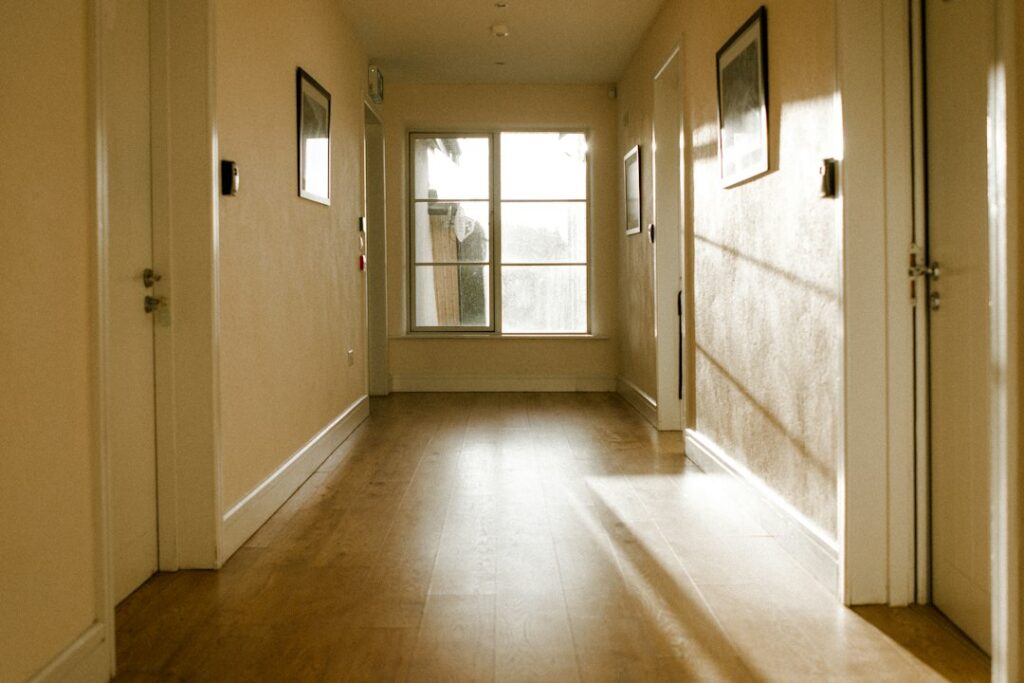
- Easier-to-navigate hallways and common areas
- Clear signs, familiar visual cues, and consistent room layouts
- Smaller activity groups
- More frequent reminders and redirection
- Assistance with eating, personal care, and communication
- Routines that reduce unnecessary confusion
- Monitoring for wandering, falls, and other safety risks
Memory care is not simply assisted living with more activities. The physical design, daily schedule, staff training, and approach to supervision are intended to support people whose cognitive changes affect safe decision-making.
Some memory care units are secured dementia care units within a personal care home. Others operate within an assisted living residence. Families should ask what license applies to the setting and which services are included under that license.
Which setting is safer for someone with dementia?
The safer setting depends on how dementia affects the person’s daily life. A diagnosis by itself does not automatically determine the appropriate level of care.
Assisted living may be suitable when a person has early memory changes but can still:
- Follow basic directions
- Use the bathroom with limited help
- Remain safely in a familiar area
- Accept reminders and assistance
- Avoid unsafe cooking, driving, or medication decisions
- Sleep without frequent nighttime wandering
Memory care may be more appropriate when a person frequently leaves home unsafely, cannot recognize familiar surroundings, forgets how to complete basic tasks, becomes distressed in unfamiliar situations, or needs repeated supervision throughout the day and night.
Safety concerns may also increase after a fall, hospitalization, medication mistake, significant weight loss, or a change in behavior. Seasonal conditions can add practical challenges for households in Quakertown, particularly when icy walkways, cold weather, or shorter daylight hours make outdoor movement more difficult.
Does memory care provide medical care?
Memory care provides dementia-focused supervision and assistance, but it is not the same as a skilled nursing facility. Many residents still receive medical services through outside physicians, home health agencies, hospice providers, or other arranged supports.
A person may need nursing care instead of assisted living or memory care if they require ongoing clinical monitoring, complex wound care, frequent injections, ventilator support, or medical treatment that cannot be safely managed in a residential setting.
Ask specifically:
- Is a nurse available on site, on call, or only during certain hours?
- Who handles medication changes?
- Can staff respond to falls or sudden confusion?
- How are hospital returns managed?
- What happens if mobility or medical needs increase?
- Is hospice or home health permitted to provide services?

A residence should explain what it can provide directly and what must be arranged separately.
Can someone remain in assisted living as dementia progresses?
Sometimes. Pennsylvania assisted living residences are designed, in part, to support aging in place as needs change. However, every residence has limits. A person may need to move if the setting cannot safely manage wandering, aggression, frequent falls, extensive hands-on care, or medical needs that require a different level of supervision.
Ask for the written criteria that could lead to a transfer. Important questions include:
- What behaviors or care needs cannot be accommodated?
- Is there a secured memory care area?
- Can residents move within the same campus?
- Will the monthly cost change after a transfer?
- How much notice is provided?
- Who determines that a higher level of care is needed?
These answers matter because a move can be stressful for someone with dementia, even when the new setting is safer.
What should families compare before choosing a setting?
The most useful comparison is not assisted living versus memory care in the abstract. It is whether a particular residence can meet the person’s current needs and likely changes over the next year or two.
During a visit, observe whether staff:
- Speak directly and respectfully to residents
- Respond calmly to repeated questions
- Notice residents who need help
- Provide meaningful activities rather than only television
- Keep hallways uncluttered and easy to navigate
- Maintain clean, comfortable common areas
- Offer quiet spaces for residents who become overwhelmed
Ask about staffing during evenings, overnight hours, weekends, and holidays. A residence that seems well supported during a daytime tour may operate differently after dinner or overnight.
Families should also review the residency agreement, care assessment, additional service charges, rules about personal furniture and pets, transportation arrangements, and procedures for emergencies. Cost often depends on the amount of hands-on care, medication support, incontinence care, transportation, and dementia-related supervision required.
What is the simplest way to decide?
Choose assisted living when the primary need is help with physical daily tasks and the person can remain reasonably safe in a less structured environment.
Consider memory care when dementia has become the main factor affecting safety, communication, routine, or supervision.
The right choice can change over time. A careful assessment should consider not only bathing and dressing, but also judgment, nighttime behavior, falls, eating, medication management, wandering, and the person’s ability to respond to an emergency. The goal is a setting that provides needed support while preserving privacy, dignity, familiar routines, and as much independence as the person can safely maintain.