
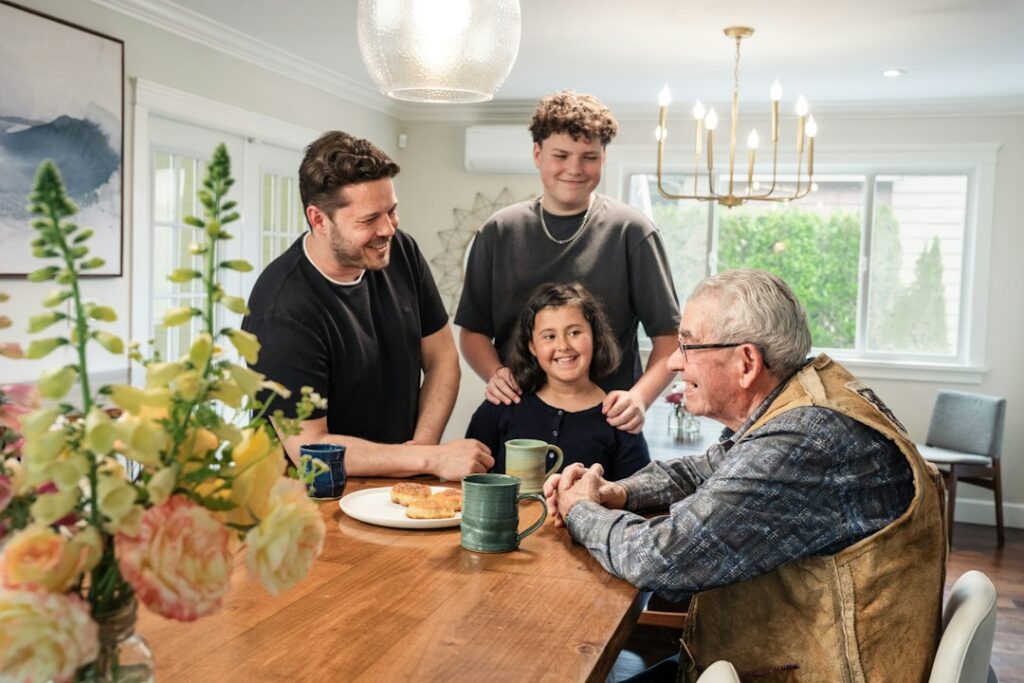
Assisted living can provide older adults with a safer, more manageable daily routine while preserving personal choice and independence. For families in Quakertown, PA, it may be worth considering when household tasks, medication routines, mobility concerns, or social isolation begin to affect quality of life.
What does assisted living provide?
Assisted living generally combines private or shared residential spaces with help for everyday activities. The level of support varies, but services commonly include assistance with bathing, dressing, grooming, toileting, transferring, meals, medication reminders, housekeeping, and laundry.
Residents typically have a private apartment or room rather than living in a hospital-like setting. Common areas may include dining rooms, lounges, activity spaces, outdoor areas, and locations for visiting with family members.
The purpose is not to take over every part of a person’s life. Instead, assistance is provided where it is needed so residents can spend more energy on preferred activities, relationships, rest, and hobbies.
Can assisted living help seniors remain independent?
Yes. Assisted living may support independence by reducing the physical and mental strain of tasks that have become difficult.
Independence does not always mean living completely alone or managing every task without help. For many older adults, it means having control over daily decisions, personal routines, clothing, meals, visitors, activities, and bedtime while receiving limited support with tasks that create risk or frustration.
For example, a resident may need help getting dressed but still choose what to wear. Someone may need medication reminders but continue making decisions about how to spend the day. Support with housekeeping can also allow an older adult to focus on walking, reading, socializing, or maintaining family connections.
How does assisted living improve safety?
Safety is one of the most common reasons families explore a change in living arrangements. A setting designed for older adults may reduce hazards related to falls, poor lighting, clutter, stairs, and difficult bathroom layouts.
Staff assistance can be especially useful for residents who have:
- A history of falls
- Difficulty standing or transferring
- Trouble remembering medications
- Reduced vision or balance
- Weakness after an illness or hospitalization
- Difficulty preparing meals safely
- Confusion about daily routines
Weather can also affect safety and transportation. In Quakertown, winter ice, snow, cold temperatures, and early darkness may make outdoor walking, driving, and errands more difficult for some older residents. A residential setting with meals, indoor activities, and assistance nearby can reduce the need to travel in challenging conditions.
Assisted living does not eliminate every risk. Families should still ask how emergencies, falls, medication concerns, severe weather, and changes in health status are handled.
What are the social benefits?
Regular social contact can help reduce loneliness and make daily life feel more structured. Assisted living communities often provide shared meals, games, exercise sessions, music, crafts, discussion groups, religious or cultural activities, and opportunities for informal conversation.
The benefit is not simply having a calendar of events. Consistent contact with other people can create routine and a sense of belonging. A resident who rarely leaves a house may have more opportunities to talk with others, celebrate birthdays, participate in activities, or build friendships.
Social engagement may also help families. Relatives can spend time visiting, talking, or sharing an activity instead of using most of the visit to complete chores, organize medication, or prepare meals.
Residents should not be expected to participate in every activity. A suitable environment should respect quiet personalities, private time, and individual interests.
How can assisted living support nutrition and health routines?
Regular meals can help older adults who have lost interest in cooking, struggle with grocery shopping, or unintentionally skip meals. Dining support may also help residents maintain a more predictable eating schedule.
Some residents need assistance because of arthritis, fatigue, memory changes, dental issues, or difficulty using kitchen appliances. Others may benefit from meals that accommodate specific dietary needs, although families should ask detailed questions about menus, allergies, texture modifications, and physician-ordered diets.
Medication support is another potential benefit. Depending on the setting and applicable regulations, staff may provide reminders, assistance, or medication administration. Families should confirm exactly what support is available rather than assuming all facilities provide the same level of care.
Assisted living is not the same as skilled nursing care. A person requiring continuous medical monitoring, complex treatment, or extensive nursing services may need a different level of support.
Does assisted living help family caregivers?
It often can, particularly when family members are balancing employment, children, distance, or their own health concerns. Caregiving may begin with occasional grocery trips or check-in calls and gradually become more demanding.
A move may reduce the pressure on one relative to be constantly available. It can also make responsibilities clearer among family members. Instead of responding to repeated emergencies, relatives may focus on emotional support, communication, transportation when appropriate, and participation in important decisions.
This does not mean family involvement ends. Older adults often continue to need advocacy, companionship, help managing paperwork, and regular observation of changing needs.
Caregiver exhaustion is a practical concern, not a personal failure. If a person is regularly missing work, losing sleep, feeling unsafe providing transfers, or becoming overwhelmed by supervision needs, the current arrangement may no longer be sustainable.
When might assisted living be worth considering?
Assisted living may deserve consideration when difficulties are persistent rather than temporary. Common signs include:
- Unpaid bills, missed medications, or repeated household mistakes
- Frequent falls or near-falls
- Noticeable weight loss or spoiled food
- Increasing difficulty bathing, dressing, or using the bathroom
- Isolation after driving becomes difficult
- Unsafe use of stoves, space heaters, or electrical appliances
- A home that can no longer be maintained safely
- A family caregiver who cannot continue providing the same level of help

A single incident does not automatically mean a move is necessary. A short-term illness, medication change, grief, or recovery period may cause temporary difficulties. The decision should consider patterns over time, the person’s preferences, available support, and whether the home can be made safer.
What should families ask before choosing a setting?
Families should evaluate the actual care available rather than relying on general descriptions. Useful questions include:
- What daily tasks can staff assist with?
- Is help available overnight?
- How are medications handled?
- What happens after a fall or sudden change in health?
- Are residents able to bring personal furniture or decorations?
- How are meals planned and special diets managed?
- What transportation is available for appointments and errands?
- Are there additional fees for increased assistance?
- How are care needs reassessed?
- What happens if a resident needs more care later?
It is also useful to visit at different times of day if possible. Observe whether residents appear engaged, comfortable, and treated respectfully. Notice cleanliness, noise levels, lighting, odors, staff responsiveness, and whether residents have meaningful choices.
How can seniors make the transition easier?
Moving is easier when the older adult participates in decisions as much as possible. Begin with practical discussions about safety, meals, transportation, medication routines, privacy, and preferred activities.
Personal belongings can make a new space feel familiar. Photographs, a favorite chair, familiar bedding, books, artwork, or a small collection may help create continuity. It may also help to establish regular visiting or calling routines during the first several weeks.
Assisted living is not the right choice for every older adult. For some, home modifications, in-home support, family assistance, or another residential option may be more appropriate. The central question is whether the living arrangement provides a reasonable balance of safety, dignity, personal choice, social connection, and support for changing needs.
